The Final Call |
Business & Money
Let’s make a deal: The lure and danger of 'yoyo' car scams
By Nisa Islam Muhammad -Staff Writer- | Last updated: May 11, 2012 - 11:57:43 AMWhat's your opinion on this article?
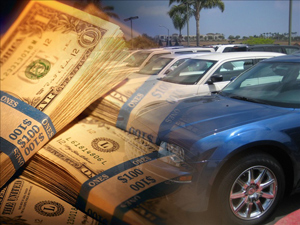
The Center for Responsible Lending conducted a survey of 32 people who reported serving over 2,100 clients with auto finance-related issues during the 12 months prior to taking the survey. |
Days later, sometimes even the next day, you get a call.
“I was told to come back in because there was a problem with my credit,” explained Tyrell McLaughlin. “I knew something was wrong with my credit when I walked in their door which was why I went there. I didn’t understand what was going on. I thought the deal was sealed but everything changed when I went back to the dealer.”
“Much to my surprise I had to come up with another $1,500 and had a higher interest rate. I was stunned but by the time they called I was attached to the car and really needed the ride. I figured it was some game but what could I do.”
Mr. McLaughlin’s experience is happening more and more to poor people who are lured into “yoyo” car loan scams.
The Center for Responsible Lending conducted a survey of 32 people who reported serving over 2,100 clients with auto finance-related issues during the 12 months prior to taking the survey.
Respondents reported that 590 of their clients dealing with auto finance problems (27.2 percent) experienced a yoyo scam. The yoyo scam occurs when a car buyer who finances the car through the dealer believes that the financing is final or is as good as final. The dealer lures the consumer back to the dealership, claims the financing is not final, and pressures the consumer to sign a new financing contract with a higher interest rate or other less favorable terms.
The CRL report “Deal or No Deal: How Yo Yo Scams Rig the Game Against Car Buyers” found car dealers commonly target consumers with poor or no credit standing for yoyo scams. Over half of the consumers served by the survey respondents experienced a yoyo scam, had trouble reclaiming their down payment or trade-in vehicle, or had the dealer threaten legal action if the car was not returned.
Respondents also reported a majority of the consumers involved in a yoyo scam ended up signing a second financing contract for the same car at a higher interest rate.
The problem is so severe that the Center for Responsible Lending, Consumer Federation of America, Consumers for Auto Reliability and Safety, the National Association of Consumer Advocates, the National Consumer Law Center, on behalf of its low-income clients and the National Council of La Raza, collectively submitted comments to the Federal Trade Commission Motor Vehicle Roundtable in February.
They called on the Federal Trade Commission to prohibit auto dealer interest rate markups; end yoyo scams; curb loan packing; and take steps to ensure that dealers do not fail to pay off liens on trade-in vehicles or cause other harm to consumers when car dealerships closes.
“These steps will create a fairer and more transparent automobile financing marketplace,” said the advocates.
CRL offers these tips to consumers on how to buy a car: Before car buying, request your credit report from the three credit bureaus. You can request your credit report for free once a year by visiting annualcreditreport.com or calling 1-877-322-8228.
Visit your nearest bank or credit union to get a quote on a car loan. Credit unions may be easier to deal with. Shop around and compare interest rates with dealers. Negotiate for a better rate. The internet has made it a lot easier for consumers to compare car prices and loan rates online. Start your research there before you head out to the dealership.
The group offers some advice for car buyers and says beware of these scams:
“Buy Here and Pay Here” Dealers: “Buy Here Pay Here” dealerships typically finance used auto loans in-house to borrowers with no or poor credit. The average APR is usually much higher than a bank or credit union loan. The car loans made by these dealers lead to high car payments and lead to a high rate of repossessions.
Don’t Get Caught In The Monthly Payment Trap: Dealers will often attempt to mask the true cost of their loans by focusing on the monthly payments. Be sure to compare the total cost of all the loans offered and to choose the one that is less costly to you in the long run.
Take Your Time: The average consumer spends 45 minutes with the finance and insurance department at the dealer (only 27 minutes if they take a test drive), so take your time to consider your lending options and don’t feel pressured to sign on the dotted line. You have the right to take the entire paperwork home before agreeing to the loan.

News Search
Loading
Follow The FinalCall.com Networks



Join The FinalCall.com e-List


 Click Here Stay Connected!


For Email Marketing you can trust
Farrakhan Articles
- Locked Out And Going Out Of Busines$
- $349 billion Covid-19 small business program short-changes businesses of color
- Stimulus stunts and secret tricks
- Hope, doubts about $2.2 trillion spending bill
- Economic uncertainty and instability amid Covid-19 crisis
- Affordable housing for low wage workers a remote dream
- Corporate shutout: Black professionals face prejudice and exclusion in America
- Richest 1% in U.S. surpassing wealth of middle class: Report
- Falling Black homeownership remains a problem
- Student debt disrupts chances, widens racial wealth
INSIDE STORIES AND REVIEWS
-

-

About Harriett ... and the Negro Hollywood Road Show
By Rabiah Muhammad, Guest Columnist » Full Story -

Skepticism greets Jay-Z, NFL talk of inspiring change
By Bryan 18X Crawford and Richard B. Muhammad The Final Call Newspaper @TheFinalCall » Full Story -

The painful problem of Black girls and suicide
By Charlene Muhammad -National Correspondent- » Full Story -

-

-

-

Exploitation of Innocence - Report: Perceptions, policies hurting Black girls
By Charlene Muhammad -National Correspondent- » Full Story -

Big Ballin: Big ideas fuel a father’s Big Baller Brand and brash business sense
By Bryan Crawford -Contributing Writer- » Full Story -
